


Blog
Tank vs. Tankless Water Heaters
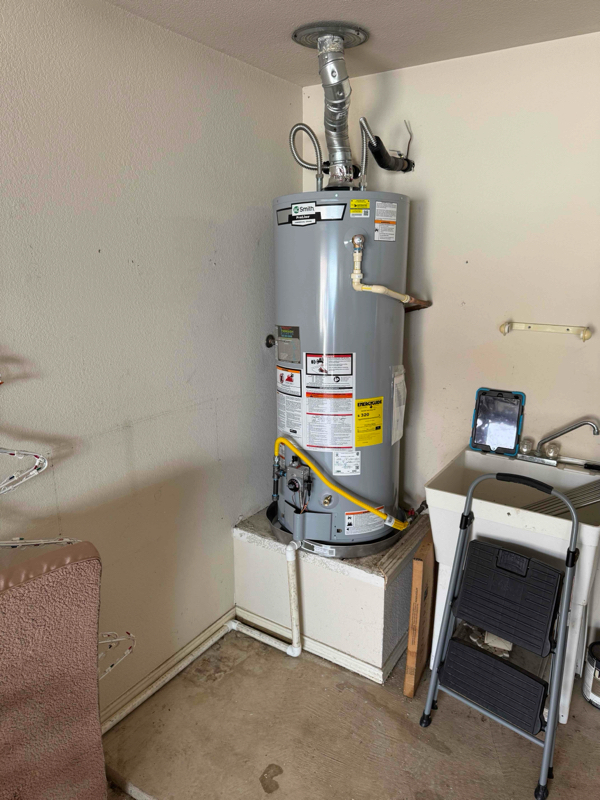
Tank vs. Tankless Water Heaters: Which One Is Right for Your Allen, TX Home?
There's nothing worse than jumping into what should be a hot shower, only to be met with a blast of cold water halfway through. If that scenario sounds familiar, or if your utility bills seem to climb every month no matter how careful you are, your water heater may be the culprit. At Thorough Plumbing, we hear from Allen, TX homeowners every week who are trying to decide between a traditional tank water heater and a modern tankless system, and the truth is, there isn't a one-size-fits-all answer.
A tank water heater stores and continuously heats a set amount of water (typically 30 to 80 gallons), while a tankless water heater heats water on demand as it flows through the unit, without storing any water at all. Tank units generally cost less upfront and are simpler to install, while tankless units offer greater energy efficiency, a longer lifespan, and a virtually endless supply of hot water, but require a higher initial investment.
In this guide, we'll break down exactly how each system works, compare their efficiency and lifespan, and help you determine which option makes the most sense for your household. As a local, licensed plumbing company serving Allen, TX and the surrounding communities, we've installed and repaired both types of systems for years, and we're sharing that firsthand experience with you here.
What Is the Difference Between a Tank and Tankless Water Heater?
This is one of the most common questions we get from homeowners, so let's start here.
A tank water heater works by heating and storing a large volume of water inside an insulated tank, keeping it hot and ready for use around the clock. When you turn on a hot water tap, water flows out of the tank and is replaced by cold water, which the unit then heats to maintain the set temperature. Because the tank is constantly reheating water even when it's not in use, this is often referred to as "standby heat loss."
A tankless water heater, sometimes called an on-demand water heater, works differently. Instead of storing hot water, it heats water directly as it passes through the unit using a high-powered burner or electric element. There's no tank to keep full and no water sitting around losing heat, which is why tankless systems are known for their efficiency.
Key differences at a glance:
- Storage: Tank units store 30-80 gallons of hot water; tankless units store none.
- Heating method: Tank units continuously heat stored water; tankless units heat water only as it's needed.
- Size and footprint: Tank units are bulky and require significant closet or utility room space; tankless units are compact and can often be wall-mounted.
- Hot water supply: Tank units can run out of hot water during heavy use; tankless units provide a continuous supply as long as demand doesn't exceed the unit's flow rate.
- Installation complexity: Tank units typically use existing gas or electric lines; tankless units may require upgraded gas lines, venting, or electrical capacity.
If your household is weighing a repair versus a replacement, our team can walk you through both options in person. Learn more about our water heater repair services in Allen, TX or explore water heater installation in Allen, TX if you're ready to consider a new system.
Which Is Better, a Tank or Tankless Water Heater?
The honest answer is that "better" depends on your household's hot water demands, your budget, and your long-term plans for your home. Here's how the two systems compare across the factors that matter most to Allen, TX homeowners.
Upfront Cost and Installation
Tank water heaters are generally simpler and faster to install, particularly if you're replacing an existing tank unit with a similar model. Tankless systems often require additional work, such as upgraded gas lines, new venting, or electrical modifications, which can add to the installation timeline. That said, many homeowners find the long-term savings and performance benefits of a tankless system offset the more involved installation process.
Hot Water Capacity
If you have a large household with multiple bathrooms and appliances running simultaneously, a tank system may struggle to keep up, leaving someone stuck with a cold shower. Tankless water heaters solve this problem by delivering hot water on demand, without the limitations of a fixed storage capacity. However, it's important to size a tankless unit correctly for your home's peak demand, which is something our licensed plumbers assess during every installation.
Space Considerations
Traditional tank units require a dedicated space, usually a utility closet, garage, or basement area, large enough to accommodate the tank itself. Tankless units are wall-mounted and take up a fraction of the space, which can be a major advantage for homes with limited utility space or those looking to free up storage areas.
Maintenance Needs
Both systems require regular maintenance to perform reliably, but the type of maintenance differs. Tank units benefit from periodic flushing to remove sediment buildup, which can affect efficiency and shorten the tank's life. Tankless units also require periodic descaling, particularly in areas with hard water, to prevent mineral buildup inside the heat exchanger.
If you're currently dealing with a tankless system that isn't performing as it should, our tankless water heater repair team in Allen, TX can diagnose and resolve the issue quickly.
Which Lasts Longer, a Tank or Tankless Water Heater?
Lifespan is one of the biggest deciding factors for homeowners comparing these two systems, and it's an area where tankless water heaters have a clear advantage.
- Tank water heaters typically last between 8 and 12 years, depending on water quality, maintenance habits, and usage patterns. Sediment buildup, corrosion, and constant thermal cycling contribute to a shorter overall lifespan.
- Tankless water heaters can last 15 to 20 years or more with proper maintenance, nearly double the lifespan of a conventional tank unit. Because they don't store water, tankless systems avoid many of the corrosion and sediment issues that shorten a tank's life.
That said, longevity depends heavily on upkeep. Tankless units in particular benefit from routine descaling, especially in North Texas, where hard water is common and can accelerate mineral buildup inside the unit. Skipping maintenance can significantly shorten the expected lifespan of either system.
Are Tankless Water Heaters More Energy Efficient Than Tank Models?
In most cases, yes. Tankless water heaters are generally more energy efficient than tank models because they eliminate the standby heat loss associated with keeping a large volume of water hot around the clock. Since a tankless unit only heats water when there's an actual demand for it, it avoids the constant energy expenditure that tank systems require just to maintain temperature.
For households with moderate to high daily hot water usage, this efficiency gain can be substantial over the life of the unit. Homes with lower hot water demand may see a smaller relative benefit, but the efficiency advantage still generally favors tankless systems.
It's worth noting that efficiency gains can vary based on:
- The size and type of household (larger households often use more hot water throughout the day)
- Whether the unit is gas-powered or electric
- The insulation quality and age of a comparable tank unit
- How well the system is maintained over time
If you're leaning toward a tankless upgrade for the energy savings, our team offers professional tankless water heater installation in Allen, TX and can help you select a unit sized correctly for your household's needs.
Signs It May Be Time to Replace Your Water Heater
Whether you currently have a tank or tankless system, certain warning signs indicate it's time to consider a replacement rather than another repair:
- Inconsistent water temperature, including sudden fluctuations between hot and cold
- Rusty or discolored water coming from hot water taps
- Unusual noises, such as popping, rumbling, or banging sounds coming from the unit
- Visible leaks or moisture around the base of the water heater
- Rising energy bills without a clear explanation
- Age of the unit, particularly if a tank system is approaching or past the 10-year mark
If you're noticing any of these signs, it's worth having a licensed plumber evaluate your system before a small issue turns into a costly emergency.
Choosing the Right Water Heater for Your Allen, TX Home
There's no universal answer to the tank versus tankless debate, but here's a general framework that can help guide your decision:
- Choose a tank water heater if: you're working with a tighter upfront budget, your household has relatively predictable and moderate hot water usage, or your existing infrastructure (gas lines, venting, electrical) is already set up for a tank system.
- Choose a tankless water heater if: you want the longest possible lifespan, you're looking to reduce long-term energy consumption, your household regularly runs multiple hot water appliances at once, or you're renovating and want to free up space currently occupied by a bulky tank.
Every home in Allen, TX is different, and factors like household size, water usage habits, and existing plumbing infrastructure all play a role in determining the right fit. That's why we recommend a professional consultation before making a final decision.
Frequently Asked Questions
How much space does a tankless water heater save compared to a tank unit?
Tankless units are wall-mounted and considerably more compact than tank systems, which require floor space for a large storage tank. This can free up significant room in a utility closet or garage.
Can I switch from a tank to a tankless water heater in my existing home?
In most cases, yes, though the conversion may require updates to gas lines, venting, or electrical capacity depending on the unit you choose. A licensed plumber can assess your home's existing setup before installation.
Do tankless water heaters really provide unlimited hot water?
Tankless units provide a continuous supply of hot water as long as demand stays within the unit's rated flow capacity. If too many fixtures run simultaneously beyond that capacity, performance can drop, which is why correct sizing is essential.
How often should a tankless water heater be serviced?
Most manufacturers recommend annual descaling and inspection, particularly in areas with hard water, to prevent mineral buildup and maintain efficiency.
Is a tank water heater still a good option in 2026?
Tank water heaters remain a reliable, budget-friendly option for many households, particularly those with straightforward hot water needs and existing infrastructure already in place.
Get Expert Water Heater Guidance in Allen, TX
Deciding between a tank and tankless water heater is a significant decision, and you don't have to make it alone. The team at Thorough Plumbing has hands-on experience installing and repairing both systems throughout Allen, TX, and we're ready to help you weigh the pros and cons based on your household's specific needs.
Whether you need a straightforward repair, a full system replacement, or expert advice on which water heater makes the most sense for your home, our licensed plumbers are here to help. Contact Thorough Plumbing today at (469) 253-5530 or visit our Contact Us page to schedule your consultation and get your hot water system running the way it should.
testimonials
What Our
Customers Say
schedule a call
Contact Thorough Plumbing Today!
A member of our team will be in touch shortly to confirm your contact details or address questions you may have.
Request a Service
Get a fast callback — usually within 15 minutes.
